
Dental PRF Matrix
Supporting Natural Healing in Dental Implant Surgery
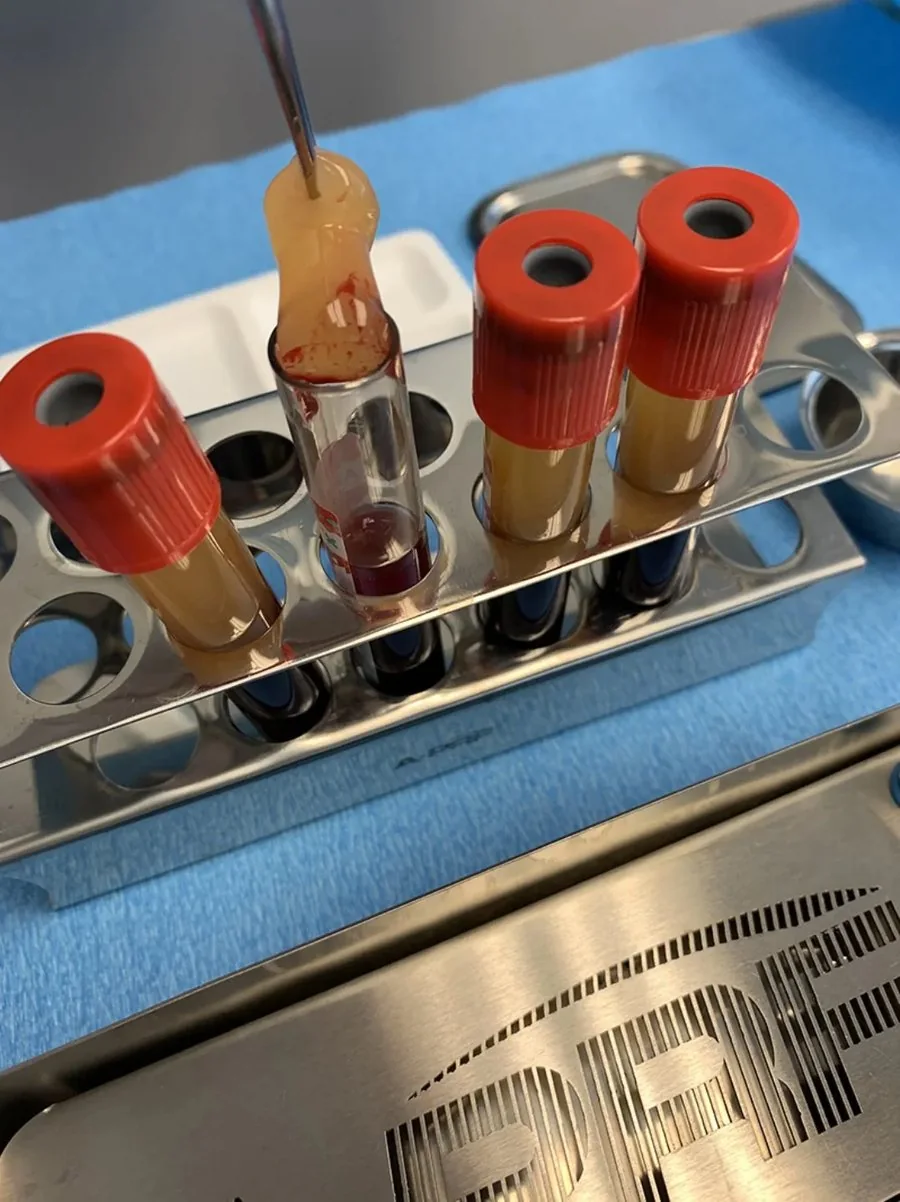
At Opal Skin Clinic, we offer regenerative PRF support as an adjunct to selected dental procedures, including dental implant surgery.
Platelet-Rich Fibrin (PRF) is an autologous regenerative material prepared from a small sample of your own blood. Through controlled centrifugation, platelets, fibrin and other naturally occurring blood components are concentrated into a biological matrix.
When used appropriately during dental surgery, this fibrin matrix can provide a supportive environment for the body's natural healing processes.
PRF does not replace the implant, bone graft or surgical procedure itself. Instead, it may be used as an adjunctive regenerative treatment to support healing around the surgical site.
What Is a PRF Matrix?
PRF stands for Platelet-Rich Fibrin.
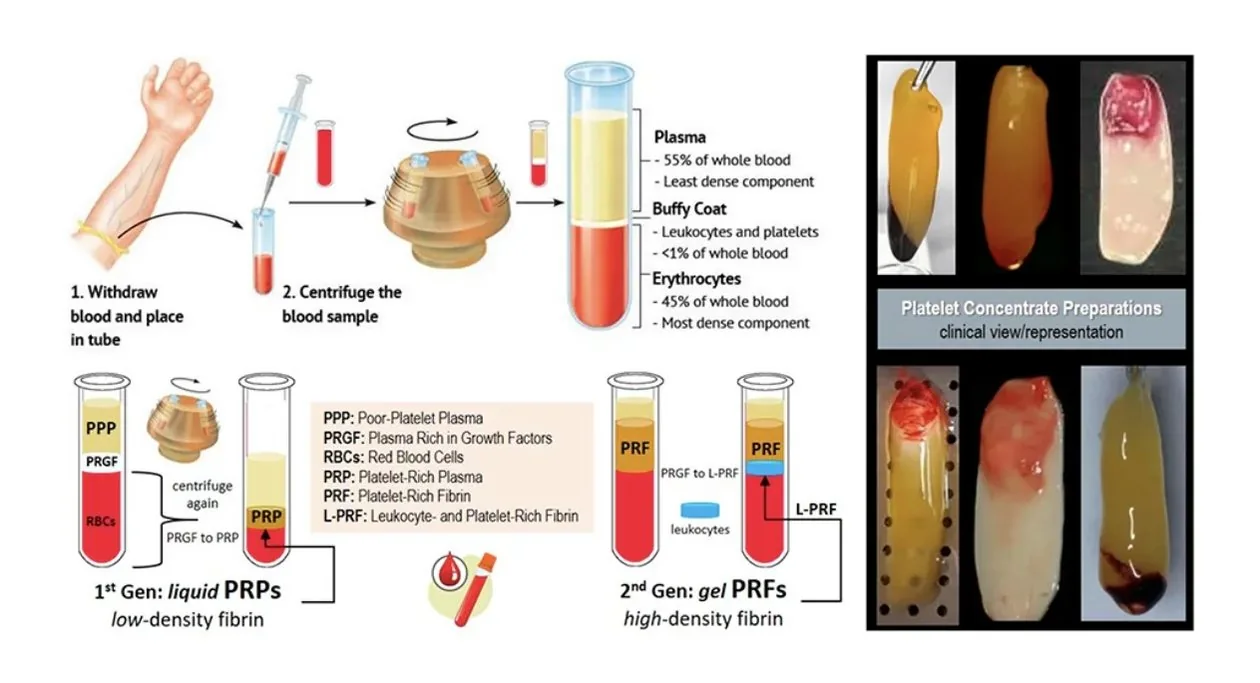
Unlike conventional PRP preparations, PRF is generally prepared without anticoagulants. A controlled centrifugation process allows a natural fibrin network to develop, trapping platelets and other blood components within the matrix.
The resulting PRF can be used as a membrane, clot or biological matrix depending on the surgical procedure and the clinician's protocol.
The fibrin structure provides a temporary scaffold at the treatment site and allows the gradual release of biologically active substances involved in tissue repair.
PRF in Dental Implant Surgery
Dental implant treatment requires the surrounding bone and soft tissues to heal and integrate appropriately around the implant.
PRF may be incorporated into selected stages of implant treatment to support the healing environment.
Depending on the individual case, PRF may be considered during:
- Tooth extraction and socket preservation
- Immediate implant placement
- Dental implant surgery
- Bone regeneration procedures
- Guided bone regeneration
- Ridge preservation
- Soft-tissue healing around implants
- Selected sinus augmentation procedures
- Management of extraction sites before future implant placement
The decision to use PRF is made on an individual basis and depends on the surgical procedure, anatomy, healing requirements and overall treatment plan.
How PRF May Support Healing
PRF contains platelets and a fibrin matrix that can support processes involved in tissue repair.
Its potential roles include:
Supporting Soft-Tissue Healing
The PRF membrane can provide a biological covering over a surgical site and may support the healing of the surrounding soft tissues.
Supporting Bone Healing
PRF may provide a favourable biological environment during early bone healing and regeneration. Research has reported potential improvements in early bone healing and bone density in some applications, although results vary between studies and protocols.
Supporting Early Implant Stability
Some clinical studies suggest that PRF may contribute to improved early or secondary implant stability during the healing period. However, evidence does not currently establish that PRF consistently improves long-term implant survival or osseointegration in every patient.
Supporting the Healing Environment
Because PRF is derived from your own blood, it provides a naturally occurring fibrin scaffold containing platelets and other blood components involved in the body's healing response.
PRF & Bone Regeneration
Following tooth extraction, the jawbone can naturally remodel and reduce in volume.
Preserving the available bone is particularly important when a future dental implant is planned.
PRF may be used alongside other surgical techniques or grafting materials as part of a socket preservation or bone-regeneration protocol.
Research into autologous platelet concentrates, including leukocyte- and platelet-rich fibrin, suggests potential benefits for soft-tissue healing, post-operative discomfort, bone fill and ridge preservation, although outcomes vary according to the surgical technique and PRF protocol used.
PRF should therefore be considered a supportive regenerative adjunct, rather than a replacement for appropriate bone grafting or other necessary surgical procedures.
PRF Around Dental Implants
For selected implant procedures, PRF may be placed around the implant or within the surgical site as part of the clinician's regenerative protocol.
The aim is to create a favourable environment for the healing of:
- Bone surrounding the implant
- Gum and soft tissues
- Extraction sockets
- Bone-grafted areas
- Implant surgical sites
Recent clinical evidence suggests PRF may have a role in improving aspects of early peri-implant healing and secondary implant stability, while the evidence for long-term benefits remains less certain.
Your PRF Dental Treatment Journey
-
Consultation & Treatment Planning
Your dental implant clinician will assess your oral health, bone levels, gum condition and overall suitability for implant treatment.
Where appropriate, imaging such as dental X-rays or CBCT may be used to assess the proposed implant site.
PRF is considered as part of the overall surgical plan rather than as a standalone treatment.
-
Blood Collection
A small amount of blood is taken from your arm using a sterile technique.
The amount collected depends on the surgical procedure and the amount of PRF required.
-
Centrifugation
The blood sample is placed into a specialised centrifuge.
A carefully controlled centrifugation process separates the blood components and allows a fibrin-rich concentrate to form.
The exact preparation protocol can vary according to the PRF system, centrifuge and clinical application.
-
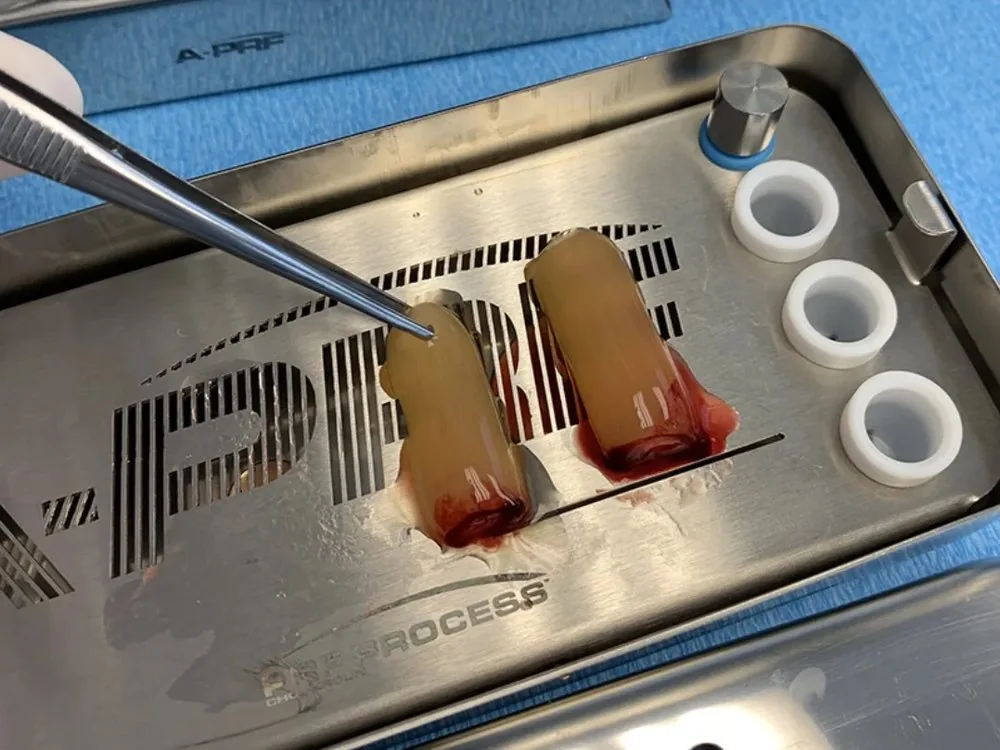
Preparation of the PRF Matrix
Once processed, the PRF is carefully collected.
Depending on the surgical requirement, it may be prepared as a PRF membrane, clot or other fibrin-rich material.
The matrix contains concentrated platelets and naturally occurring blood components within a fibrin structure.
-
Application During Surgery
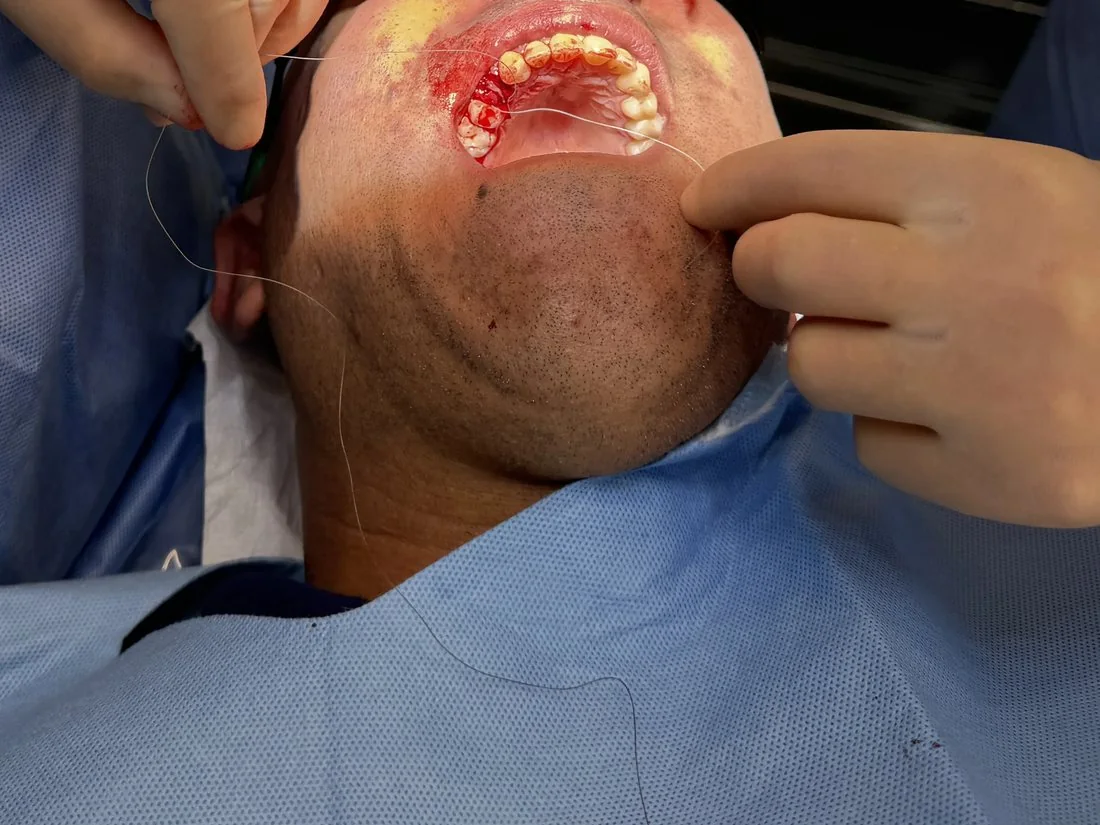
The prepared PRF is placed at the appropriate surgical site by the dental clinician.
Depending on the procedure, it may be used:
- Within an extraction socket
- Around an implant
- Over a surgical site
- Alongside a bone graft
- As part of a guided bone-regeneration procedure
- To support soft-tissue healing
The exact application is determined by the treating dental professional.
-
Healing & Follow-Up
Following surgery, your tissues begin their natural healing and remodelling processes.
Your dental team will provide detailed post-operative instructions and monitor your healing and implant integration according to the appropriate clinical schedule.
PRF is intended to support healing, but it cannot guarantee a particular outcome.
From the tube to the surgical site
Potential Benefits of Dental PRF
When appropriately selected as an adjunct to dental surgery, PRF may offer potential benefits including:
- Uses your own blood
- Provides a natural fibrin matrix
- Supports the early healing environment
- May support soft-tissue healing
- May support early bone regeneration
- May assist early implant stability
- Can be used alongside selected grafting procedures
- Avoids the need for a separate donor site when used as an autologous adjunct
Evidence is still developing, and the benefits can vary depending on the procedure, PRF preparation and individual patient factors.
Is PRF Suitable for Everyone?
PRF is not automatically required for every dental implant procedure.
Your suitability depends on factors including:
- Your general health
- Oral and periodontal health
- Bone quality and quantity
- Smoking status
- Medications
- Blood-related conditions
- The type and complexity of implant surgery
- Whether bone or soft-tissue augmentation is required
A full medical and dental assessment is therefore essential before treatment.
Safety & Possible Side Effects
Because PRF is produced from your own blood, it is an autologous material.
However, the blood collection and surgical procedure themselves carry potential risks, and PRF does not eliminate the normal risks associated with dental surgery.
Your dental clinician will explain the relevant risks, including possible:
- Bruising or discomfort from blood collection
- Temporary swelling
- Bleeding
- Infection
- Post-operative pain
- Delayed healing
- Implant-related complications
Your individual risk depends on your health and the procedure being performed.
PRF as Part of a Regenerative Approach
At Opal Skin Clinic, we believe regenerative treatments should be used thoughtfully and appropriately.
PRF is not a substitute for meticulous surgical technique, appropriate implant planning, adequate bone volume or good oral hygiene. Instead, it can be considered as one component of a comprehensive approach to supporting tissue healing.
Current evidence is promising for several early healing outcomes, but research continues to investigate which PRF preparations and clinical situations provide the greatest benefit.
A Natural Approach to Supporting Healing
Your blood contains biological components involved in healing. PRF allows these components to be concentrated and used as a regenerative adjunct during selected dental procedures.
At Opal Skin Clinic, our approach is centred on personalised care, careful clinical assessment and evidence-informed regenerative treatments.
If you are considering dental implants or have been advised that you may require bone or soft-tissue regeneration, PRF can be discussed with your dental implant clinician as part of your overall treatment plan.