
PRF & i-PRF Regenerative Care
Harnessing Your Body's Own Regenerative Potential
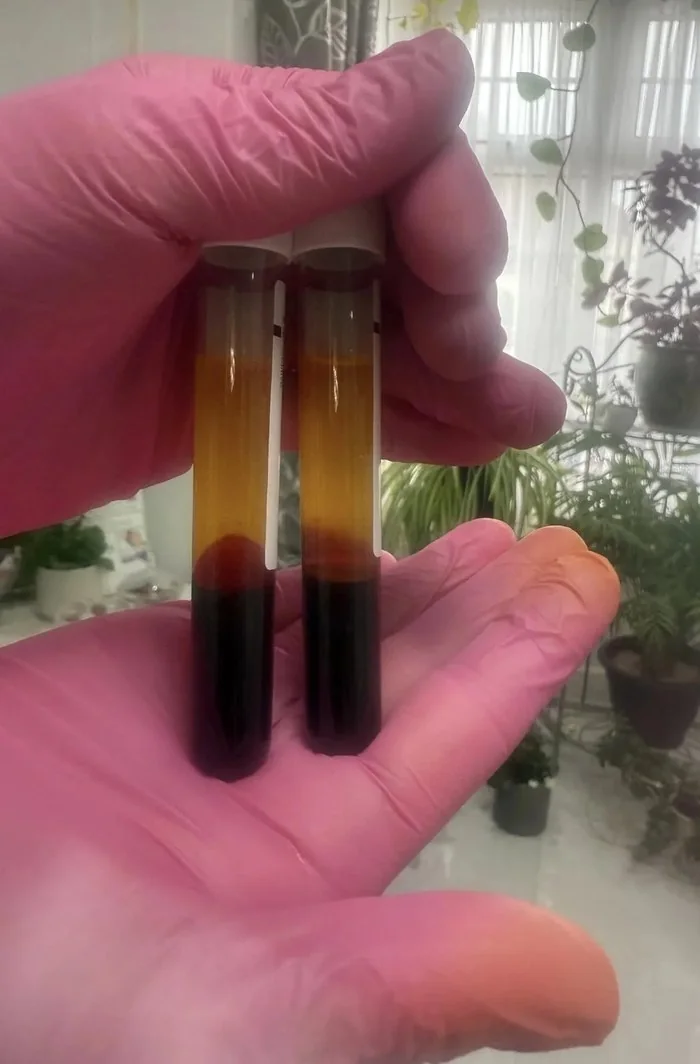
At Opal Skin Clinic, we offer Platelet-Rich Fibrin (PRF) and injectable Platelet-Rich Fibrin (i-PRF) as regenerative treatments designed to support the body's natural healing and tissue-repair processes.
i-PRF/PRF is an autologous treatment, meaning it is prepared from your own blood. By concentrating platelets, fibrin and other naturally occurring components of your blood, i-PRF/PRF creates a biological matrix that can support the gradual release of growth factors and promote tissue regeneration.
Unlike treatments that rely on synthetic ingredients or dermal fillers, i-PRF/PRF works with your body's own biological processes. It is particularly suited to patients seeking a natural approach to skin rejuvenation and hair restoration.
- Your own bloodAutologous and biocompatible
- Skin & hairRejuvenation and hair restoration
- No anticoagulantsPRF is generally prepared without them
- Gradual resultsProgressive, natural-looking improvement
What Are PRF and i-PRF?
PRF (Platelet-Rich Fibrin) is produced by drawing a small amount of your blood and processing it in a centrifuge at a controlled speed. Unlike traditional PRP preparation, PRF is generally prepared without anticoagulants, allowing a fibrin matrix to naturally form.
This fibrin network acts as a scaffold that traps platelets and other blood components, supporting a more gradual release of growth factors over time.
i-PRF (injectable Platelet-Rich Fibrin) is a liquid form of PRF that can be injected before the fibrin matrix fully forms. It can be used in selected regenerative aesthetic treatments where a liquid preparation is appropriate.
The exact composition and properties of PRF can vary depending on the preparation technique, centrifugation protocol and individual patient factors. Your treatment will therefore be tailored following a consultation and clinical assessment.
PRF vs PRP
Both PRP and PRF use your own blood and contain concentrated platelets, but their preparation and biological characteristics differ.
PRP — Platelet-Rich Plasma
- Typically prepared using an anticoagulant.
- Produces a plasma-based platelet concentrate.
- Growth-factor release is generally more rapid.
- Has established applications in areas including dermatology, aesthetics, hair restoration and regenerative medicine.
i-PRF/PRF — Platelet-Rich Fibrin
- Generally prepared without anticoagulants.
- Uses a slower centrifugation process to create a fibrin matrix.
- Retains platelets and other blood components within the fibrin structure.
- Allows a more gradual release of growth factors.
- Can provide a supportive environment for tissue regeneration and healing.
Rather than being better in every situation, PRP and i-PRF/PRF have different properties and may be appropriate for different treatment goals. During your consultation, we will discuss which approach is most suitable for you. Read about PRP.
How i-PRF/PRF Supports Regenerative Care
i-PRF/PRF contains naturally occurring platelets, fibrin and growth factors involved in the body's healing response. When placed into the treatment area, these components may support the processes involved in tissue repair and collagen production.
For aesthetic treatments, the aim is not to change your natural features but to encourage gradual improvements in skin quality, texture and overall appearance.
Results develop progressively as your body responds to treatment, making i-PRF/PRF an option for patients who prefer a subtle, natural-looking approach to rejuvenation.
i-PRF/PRF for Skin Rejuvenation
PRF and i-PRF may be considered for areas where improving skin quality and supporting regeneration is the primary goal.
Potential treatment areas include:
- Under-eye area
- Cheeks
- Face
- Neck
- Décolletage
- Hands
- Areas of uneven skin texture or superficial scarring
Treatment may support:
- Collagen production
- Skin texture and smoothness
- Skin elasticity
- Overall skin quality
- A brighter, more refreshed appearance
- The appearance of fine lines and superficial scars
PRF does not act like a traditional dermal filler. Instead, it is intended to support gradual biological rejuvenation rather than immediately adding volume.
Skin and lip examples
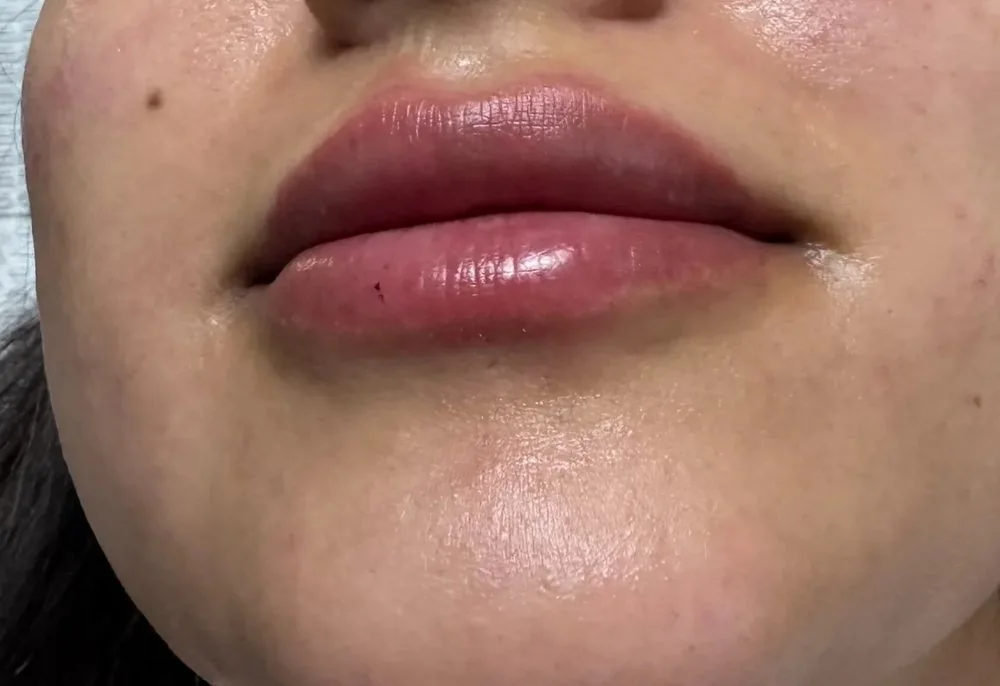
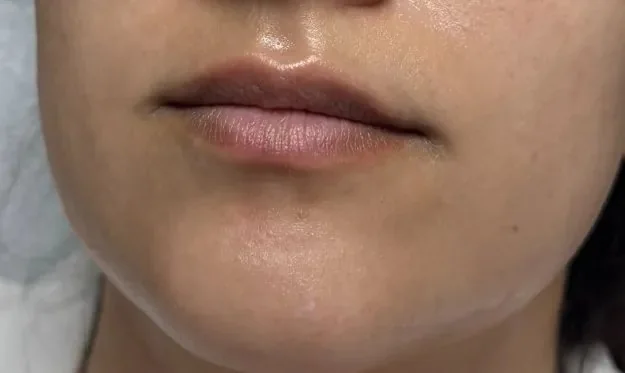
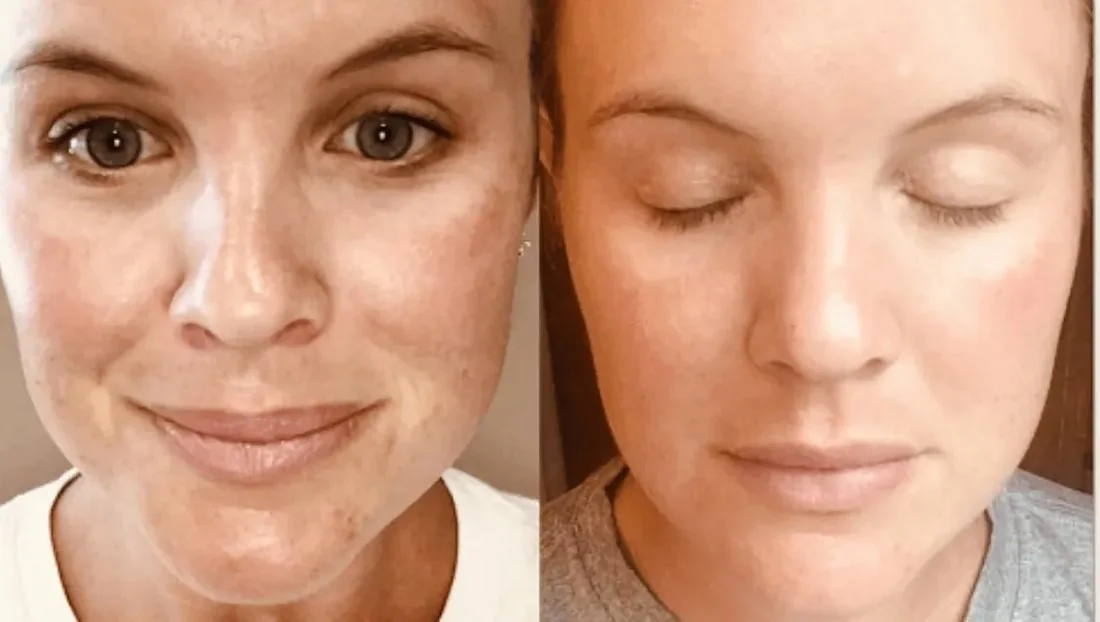
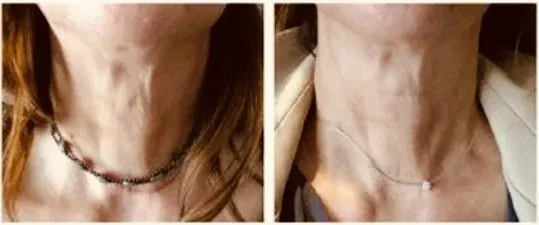
Individual results vary and cannot be guaranteed.
i-PRF/PRF for Hair Restoration
PRF and i-PRF may also be used as part of a regenerative approach to hair thinning and hair loss.
Treatment aims to support the scalp environment and hair follicles by delivering concentrated blood-derived components to the areas being treated.
Potential benefits may include:
- Supporting hair follicle activity
- Helping improve hair density and thickness
- Supporting the growth phase of the hair cycle
- Helping reduce the appearance of thinning
- Supporting overall scalp health
PRF is not suitable for every type or cause of hair loss. A thorough assessment is important to identify the likely cause of hair loss and determine whether regenerative treatment is appropriate.
Where necessary, we may recommend medical assessment or additional investigations before treatment.
Hair restoration examples
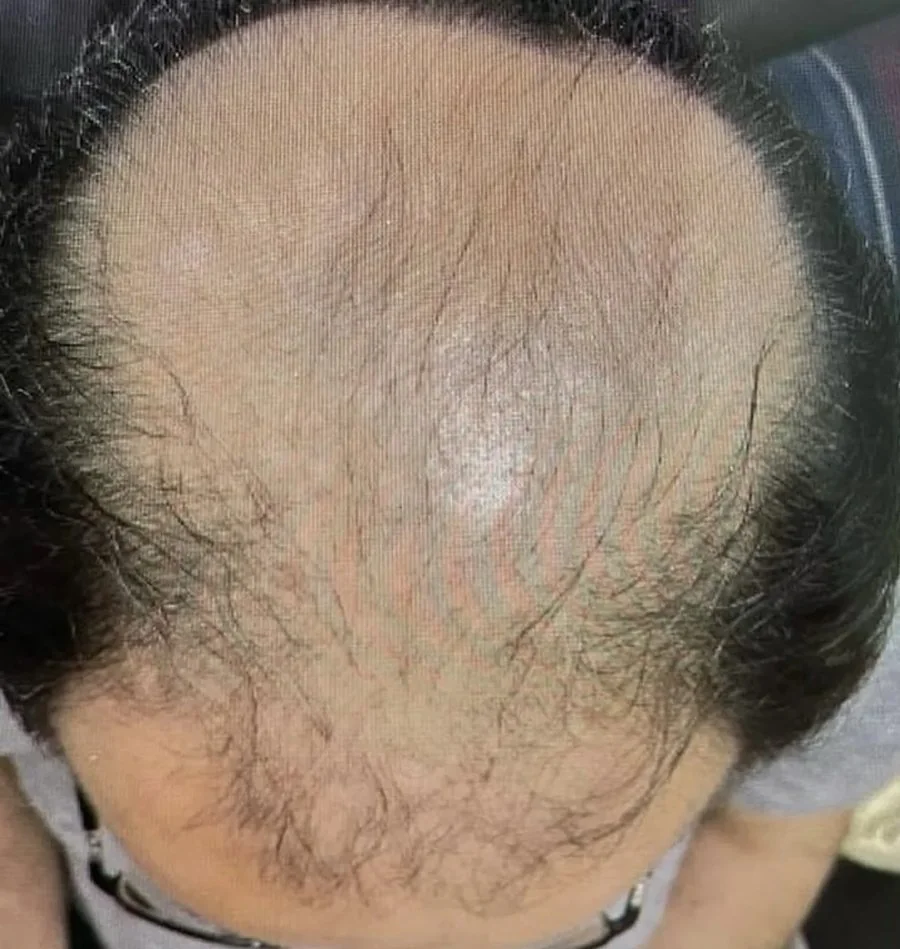
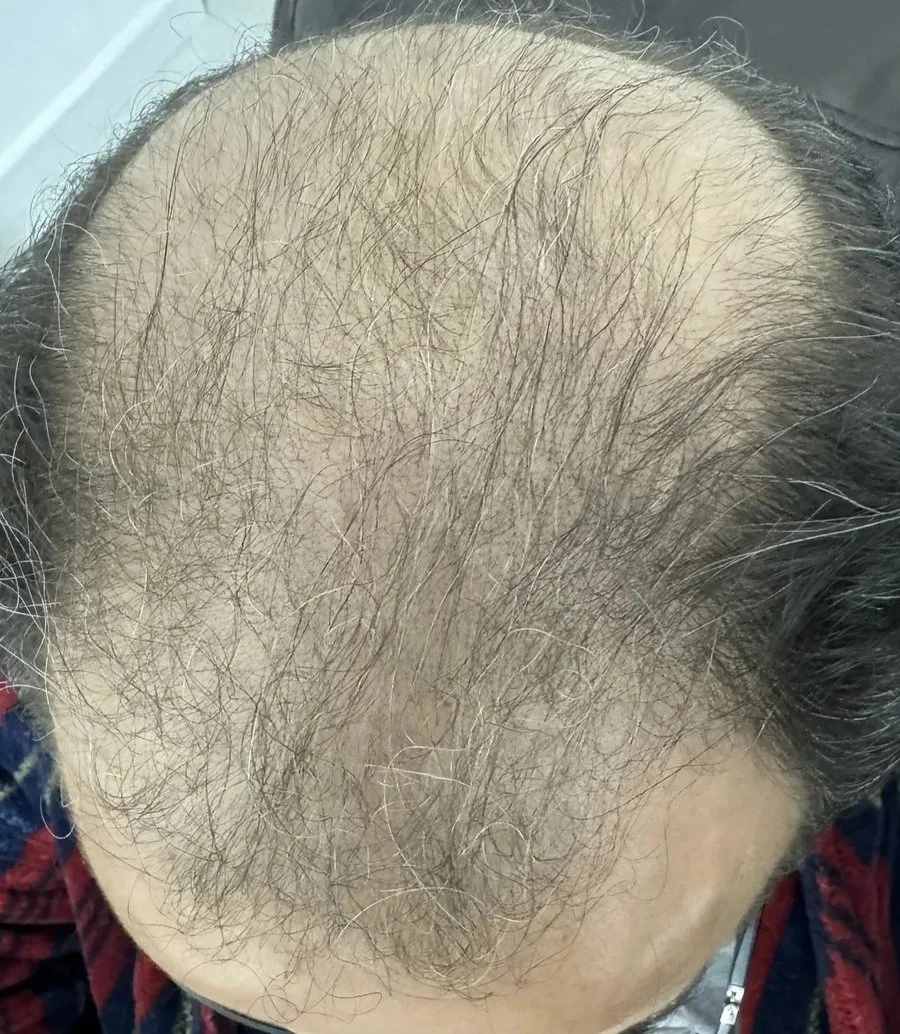
Individual results vary and cannot be guaranteed.
The i-PRF/PRF Treatment Process
Your safety, comfort and individual needs are at the centre of every treatment at Opal Skin Clinic.
-
Consultation & Assessment
Your treatment begins with a detailed consultation. We discuss your concerns, medical history, medications, skin or hair concerns, previous treatments and your desired outcome.
Your suitability for PRF or i-PRF will be assessed, and we will explain the expected benefits, limitations, potential risks and alternatives before treatment.
-
Preparation
The treatment area is cleansed and prepared carefully. Where appropriate, topical anaesthetic may be used to improve your comfort during the procedure.
-
Blood Collection
A small amount of blood is taken from your arm using a sterile technique.
The amount required depends on the treatment being performed and the treatment area.
-
Centrifugation
Your blood sample is placed into a specialised centrifuge.
A carefully controlled centrifugation process separates the blood into its different components. Unlike conventional PRP preparation, i-PRF/PRF is generally produced without anticoagulants, allowing a natural fibrin matrix to develop.
The precise protocol can vary according to the treatment and equipment used.
-
Preparation of i-PRF / PRF
The appropriate PRF preparation is carefully collected for your treatment.
With i-PRF, the preparation remains injectable during the early stage before the fibrin network develops further.
With PRF preparations, the developing fibrin matrix helps retain platelets and other blood components, supporting a gradual release of growth factors.
-
Treatment
The prepared PRF or i-PRF is then administered to the selected treatment area using an appropriate injection technique.
For certain skin treatments, PRF may also be combined with other regenerative procedures where clinically appropriate.
-
Aftercare
You will receive personalised aftercare instructions based on the area treated and the technique used.
It is common to experience temporary redness, swelling, tenderness or bruising following treatment. These effects generally settle as the area heals.
Your clinician will explain what to expect and when you can return to your normal skincare, exercise and daily activities.
What Can I Expect After Treatment?
PRF is a regenerative treatment, so results are gradual rather than immediate.
As your body's natural healing processes take place, improvements may develop progressively over the following weeks and months.
For facial rejuvenation, patients may notice improvements in skin quality, texture and overall radiance as collagen-remodelling processes develop.
For hair restoration, results may take longer to become apparent because hair grows through a natural cycle. The response also varies considerably between individuals.
We will discuss realistic expectations during your consultation rather than promising a specific outcome.
How Many Treatments Will I Need?
The number of treatments depends on your individual concerns, treatment area, baseline skin or hair condition and how you respond to treatment.
For facial regenerative treatments, a course of approximately three sessions, commonly spaced around 4–6 weeks apart, may be recommended for suitable patients. A maintenance treatment plan may then be discussed depending on your response and goals.
For hair restoration, a course may involve several treatments performed at intervals over a number of months, followed by maintenance treatments where appropriate.
There is no single treatment schedule that is right for everyone. Your personalised plan will be discussed during your consultation.
Benefits of PRF & i-PRF
Because PRF is prepared from your own blood, it offers several appealing characteristics:
- Autologous: Uses your own blood.
- Biocompatible: Does not require synthetic filler material.
- Regenerative approach: Supports the body's natural healing processes.
- Gradual results: Designed to encourage progressive improvements rather than an artificial or overfilled appearance.
- Versatile: Can be considered for selected skin and hair concerns.
- Minimally invasive: Performed through a series of injections rather than surgery.
PRF should not be viewed as a replacement for every aesthetic or medical treatment. Its suitability depends on your individual circumstances and treatment goals.
Safety & Possible Side Effects
PRF is prepared from your own blood, which means there is no need to introduce a foreign biological product into the treatment area. However, like any injectable procedure, PRF is not completely risk-free.
Temporary effects may include:
- Mild swelling
- Redness
- Bruising
- Tenderness or discomfort
- Minor bleeding at injection sites
These effects are usually temporary.
More significant complications are uncommon but can occur with injectable procedures. Your clinician will discuss the relevant risks, contraindications and precautions during your consultation.
PRF may not be suitable for everyone, including some patients with certain blood disorders, infections, medical conditions or medication requirements. A full medical history and clinical assessment are therefore essential before treatment.
Why Choose Regenerative Care at Opal Skin Clinic?
At Opal Skin Clinic, regenerative aesthetics are approached with a focus on subtle enhancement, skin health and personalised care.
Regenerative care is about working with your body, not against it.
If you are considering PRF or i-PRF for your skin or hair, a consultation is the first step. We will assess your individual needs, discuss whether you are a suitable candidate and create a treatment plan based on your goals and clinical needs.
Book a consultation
Find out whether PRF or i-PRF is right for your skin or hair.