
Platelet-Rich Plasma (PRP)
A regenerative treatment using your own blood for skin rejuvenation and hair restoration.
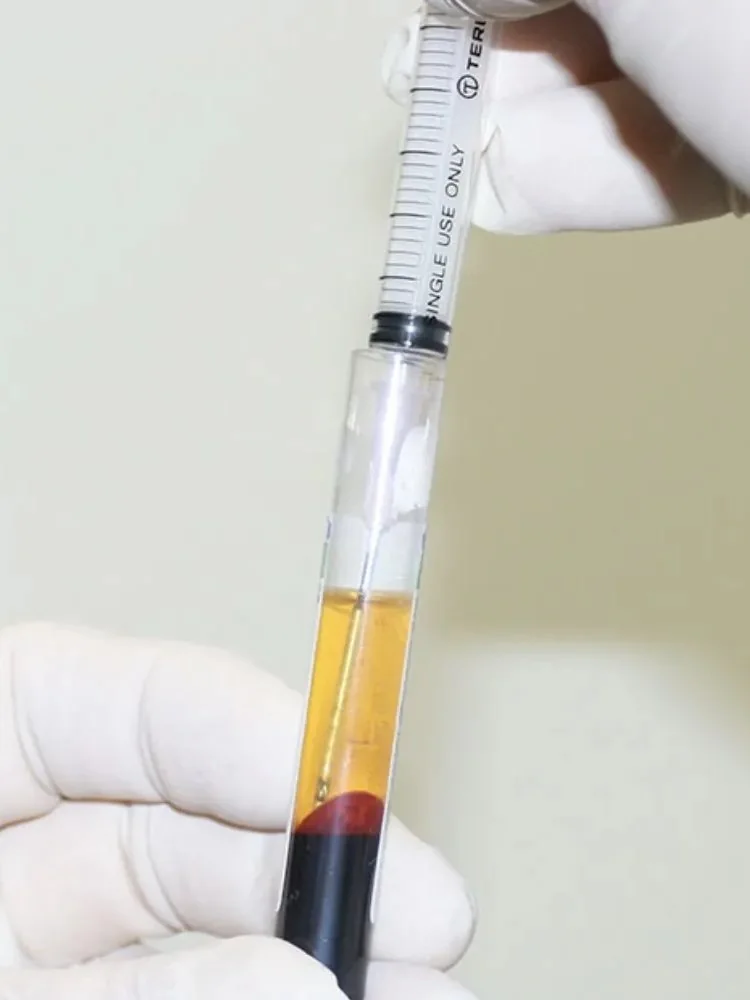
What is platelet-rich plasma (PRP)?
Platelet-rich plasma is composed of plasma (the liquid portion of blood) and platelets (tiny fragments of cells), it refers to blood with a higher concentration of platelets than normal. Platelets are well-known for their clotting abilities, they also have a variety of growth factors (specific bio-proteins or hormones) that stimulate cell reproduction and tissue regeneration which aids in accelerating the body's natural healing process. This can shorten the healing time for injuries, decrease pain and even encourage hair growth.
What are PRP treatments used for?
PRP injections are used for a range of conditions, such as; musculoskeletal pain, injuries, wound healing and cosmetic procedures.
- Your own bloodPrepared from a small sample taken in clinic
- Skin & hairRejuvenation, scarring and hair growth
- Fine needleNatural and minimally invasive
- Gradual resultsMost noticeable over several weeks to months
The treatment procedure
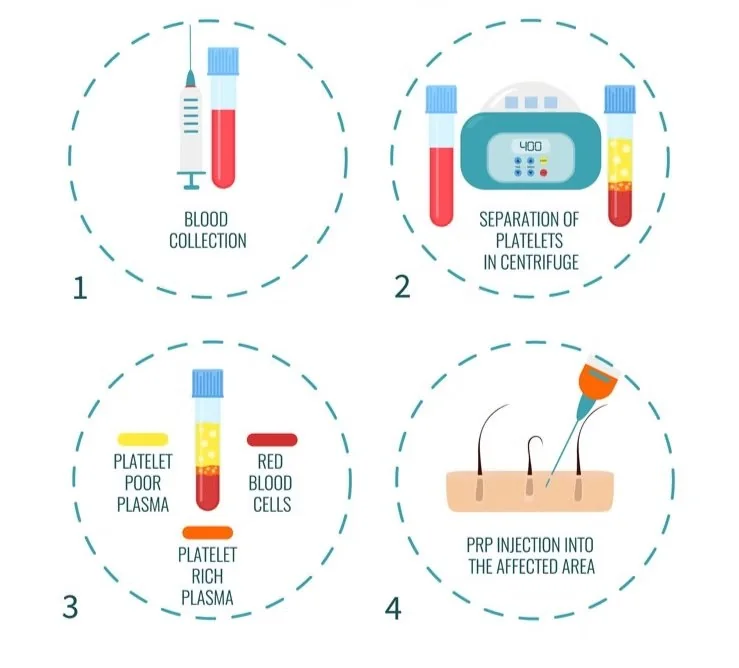
To create platelet-rich plasma, clinicians take a blood sample from the patient and place it into a device called a centrifuge that rapidly spins the sample, separating out the other components of the blood from the platelets and concentrating them within the plasma.
After creating platelet-rich plasma from a patient's blood sample, the solution which contains beneficial growth factors is reinserted into the skin using a very fine needle. These agents stimulate the regeneration of old and weakened skin cells in conjunction with the body's natural restorative mechanisms, as well as the production of collagen and elastin.
As a result, you will notice that your skin will become more radiant, wrinkles smoother and you will have an overall healthier appearance through this natural and minimally invasive treatment.
What you need to know
- Following the treatment, you can resume your daily activities but should avoid various activities and drinks such as washing your hair and drinking alcohol or caffeine.
- The results of PRP treatments are most noticeable after several weeks for joint injections and six months for scalp injections, but are not permanent; patients may require additional injections.
- Because the treatments use a patient's own tissues, PRP injections are safe and can be administered alone or used in conjunction with other procedures.
Potential PRP results
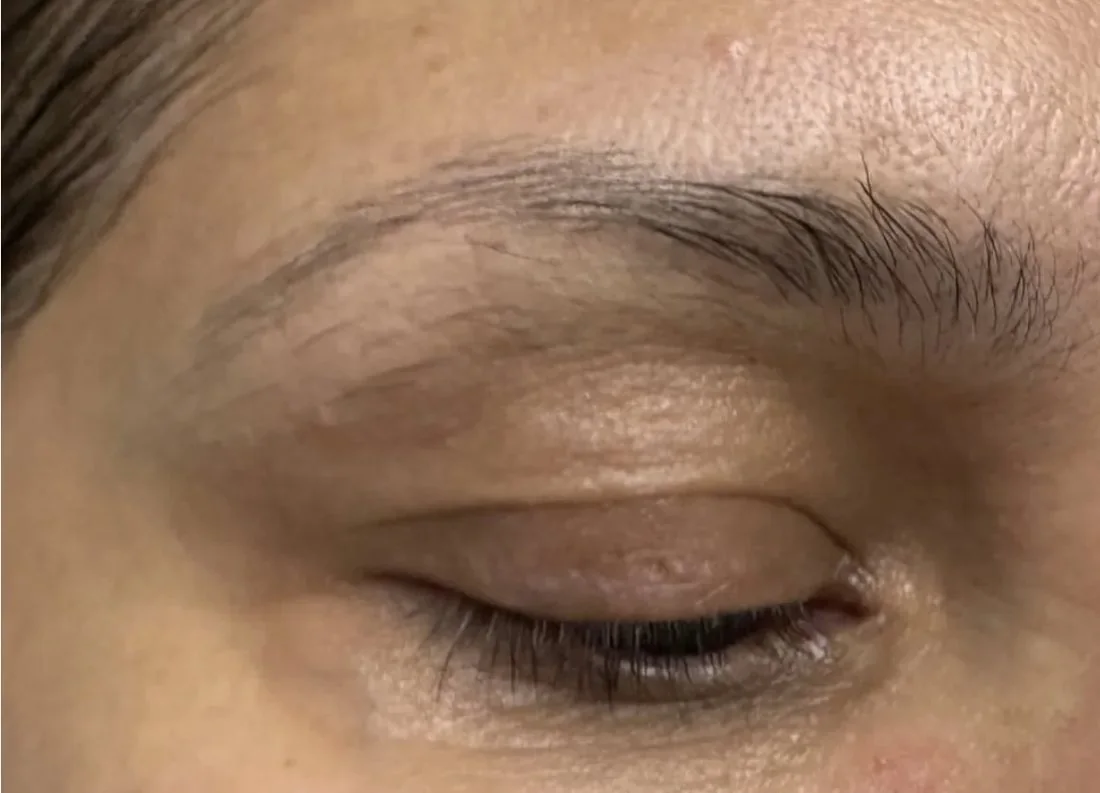
Examples of PRP treatment for skin, brows and hair growth.
Skin and brows
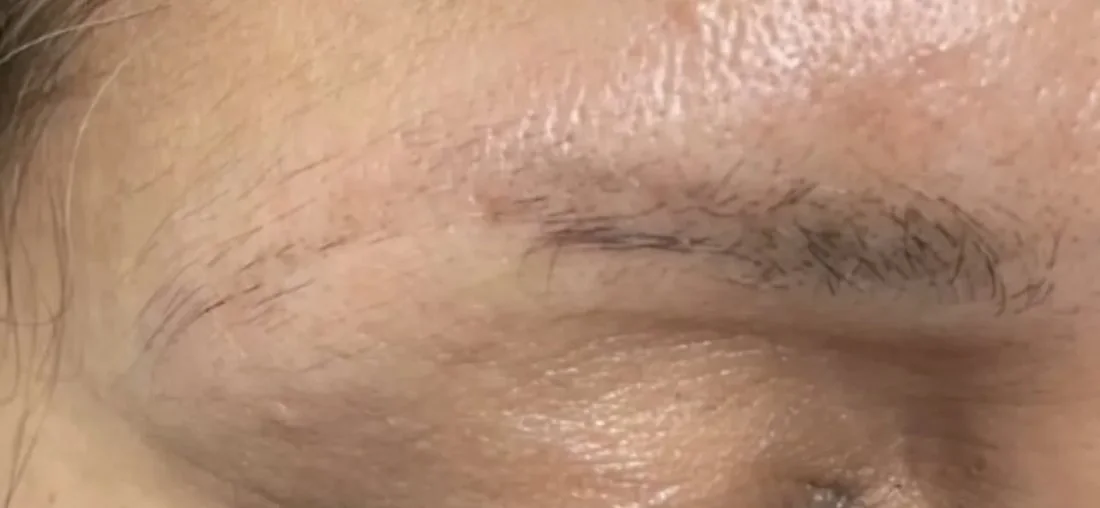
Hair restoration
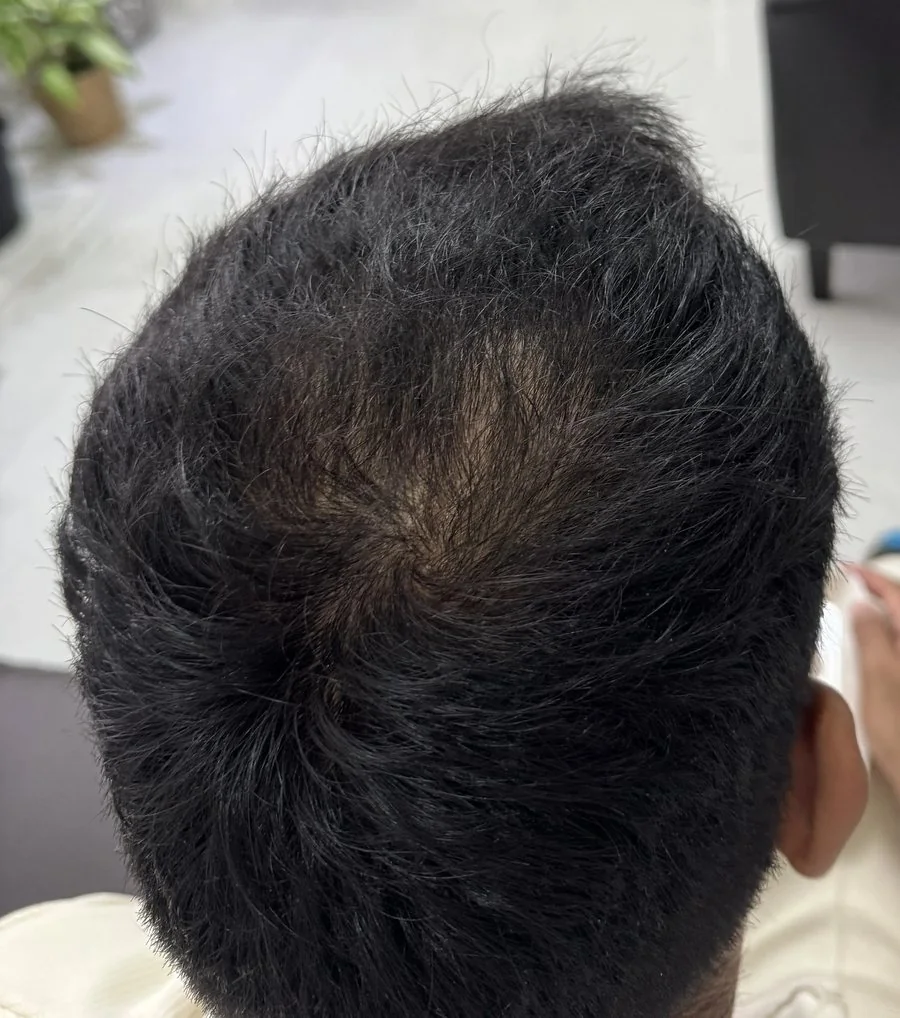
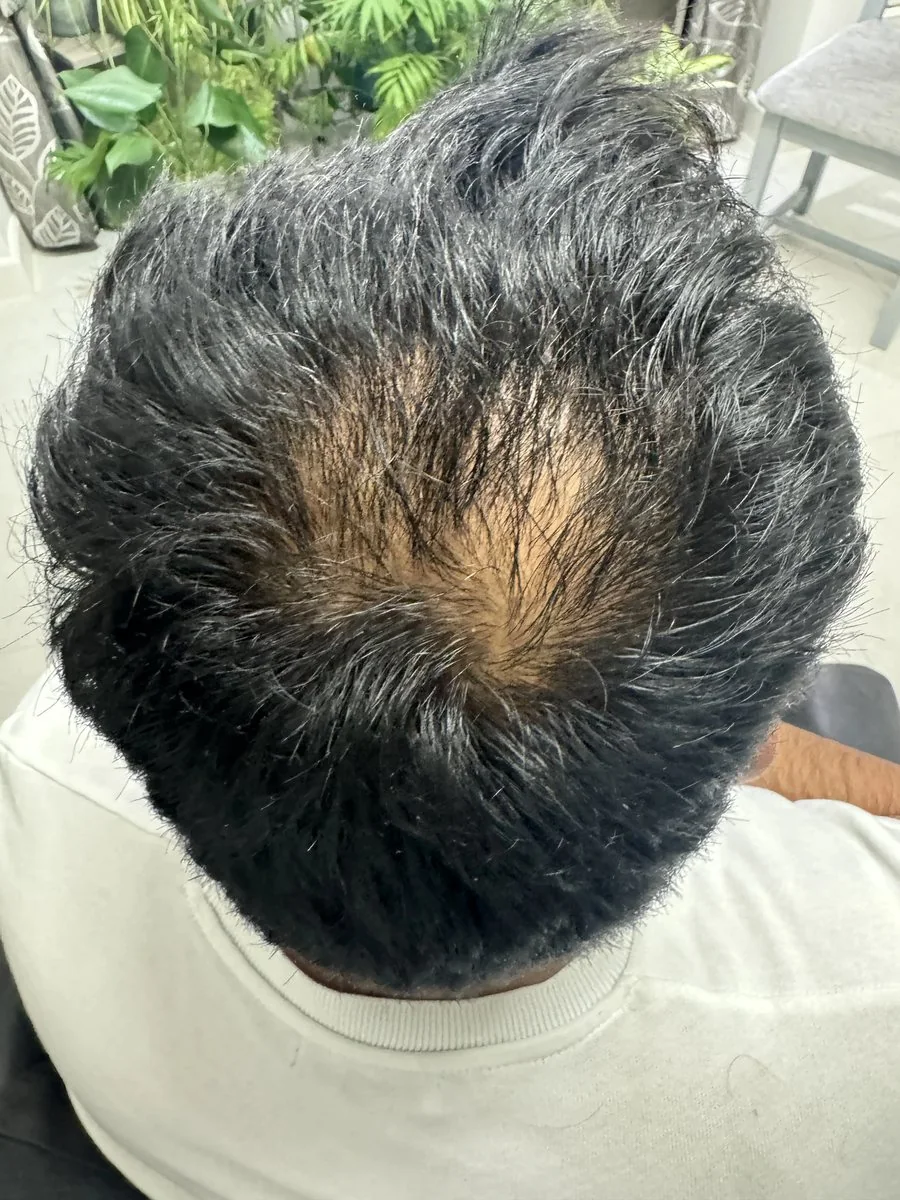
Individual results vary and cannot be guaranteed.
Your PRP treatment in three steps
-
Why use your blood?
The likelihood of an allergic reaction is much lower as the treatment is made up of your own plasma cells, making it safer than other injectable medications.
-
Centrifugation
Your collected blood sample will then be centrifuged to separate out the different layers of your blood's contents, including your platelet-rich plasma.
-
Treatment
This will then be injected into treated area.
Their increased concentration of growth factors work to combat hair loss and aid in generating collagen on the skin.
Suitability varies between individuals and results cannot be guaranteed. Your independent registered nurse prescriber will assess you and explain the risks and benefits before any treatment. You may also like to read about PRF and i-PRF.
Find out whether PRP is right for you
Book a consultation and we will create a plan for your skin or hair.